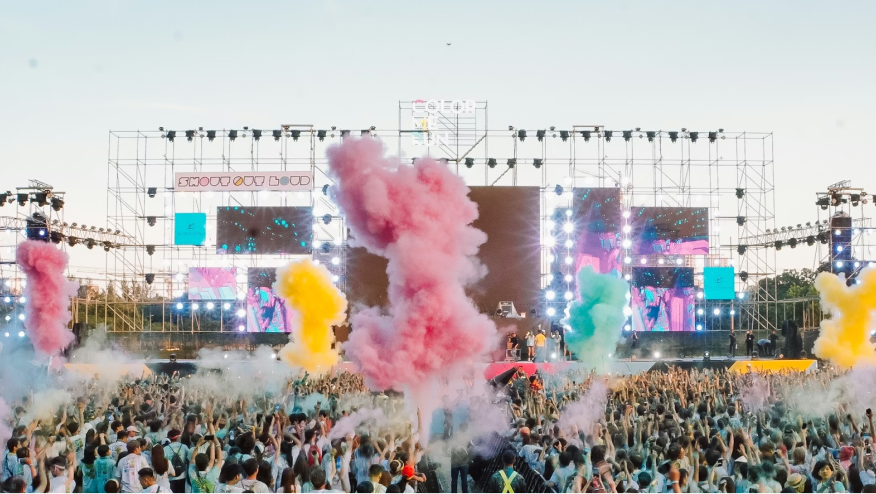
The private equity backers of Superstruct Entertainment, one of the world’s largest music festival operators, are looking to raise debt to maintain its momentum as the company grapples with financial and cultural headwinds, according to 9fin sources.
Superstruct has struggled to grow its earnings since being acquired by KKR two summers ago, after artists began boycotting its events over the sponsor’s perceived ties to Israel. This lackluster financial performance is now sparking concerns among some lenders about rising leverage, sources said.
KKR is asking the company’s existing lenders, which include Carlyle and CVC, to support the business and its growth plans with more debt, sources said. The company is also in talks with other lenders about potential financing, they added.
Superstruct’s latest earnings show £75m of reported EBITDA and £110m of adjusted EBITDA, sources said, inching up from when KKR acquired the company in an all-equity deal from Providence in 2024 — when reported EBITDA was still £75m and adjusted EBITDA was £100m.
KKR soon after raised a £575m debt package to leverage the £1.1bn buyout. CVC also made a minority equity investment in Superstruct; representing a 22% stake, according to a source close to the company.
Tough crowd
Boycotts against Superstruct events began in early 2025. In May that year, more than 80 artists signed an open letter to Sónar, one of the company’s largest festivals, stating that they “oppose any affiliation between the cultural sector and entities complicit in war crimes”, followed by a number of major artists dropping out of the festival.
Sónar announced refunds and attempted to distance itself from Superstruct and KKR.
Similar artist withdrawals hit UK festivals and events Superstruct operates that summer, including Boiler Room, which KKR acquired for £25m earlier in 2025, as well as Lost Village, Field Day, and Victorious, among others.
This is not just a PR problem. It is beginning to put the company’s growth strategy — which involves it acquiring stakes in more festivals and gaining full ownership of festivals it has already invested in — under strain, according to multiple sources familiar with the situation.
The company holds partial stakes in many of the more than 85 festivals it operates, creating a layered ownership structure that makes reporting earnings more complex and requires substantial dividend payouts.
Superstruct paid £11.4m to minority shareholders of entities it does not 100% control in 2024, its latest accounts show, including festival brands like Elrow, Sónar, and Fuzzy.
When it buys out these minority shareholders, often the festival’s original founders, they aren’t immediately paid in full but in contractual yearly payments, sources noted — and as many of these payments come due in 2026 and 2027, the company now requires more capital to both facilitate these existing payments and continue to grow.
KKR, CVC, and Carlyle declined to comment. Superstruct did not respond to a request for comment.